

Tips for Creating a Low-Maintenance Outdoor Space
Table of Contents Key Takeaways Understand the Basics of Low-Maintenance Design Simp...


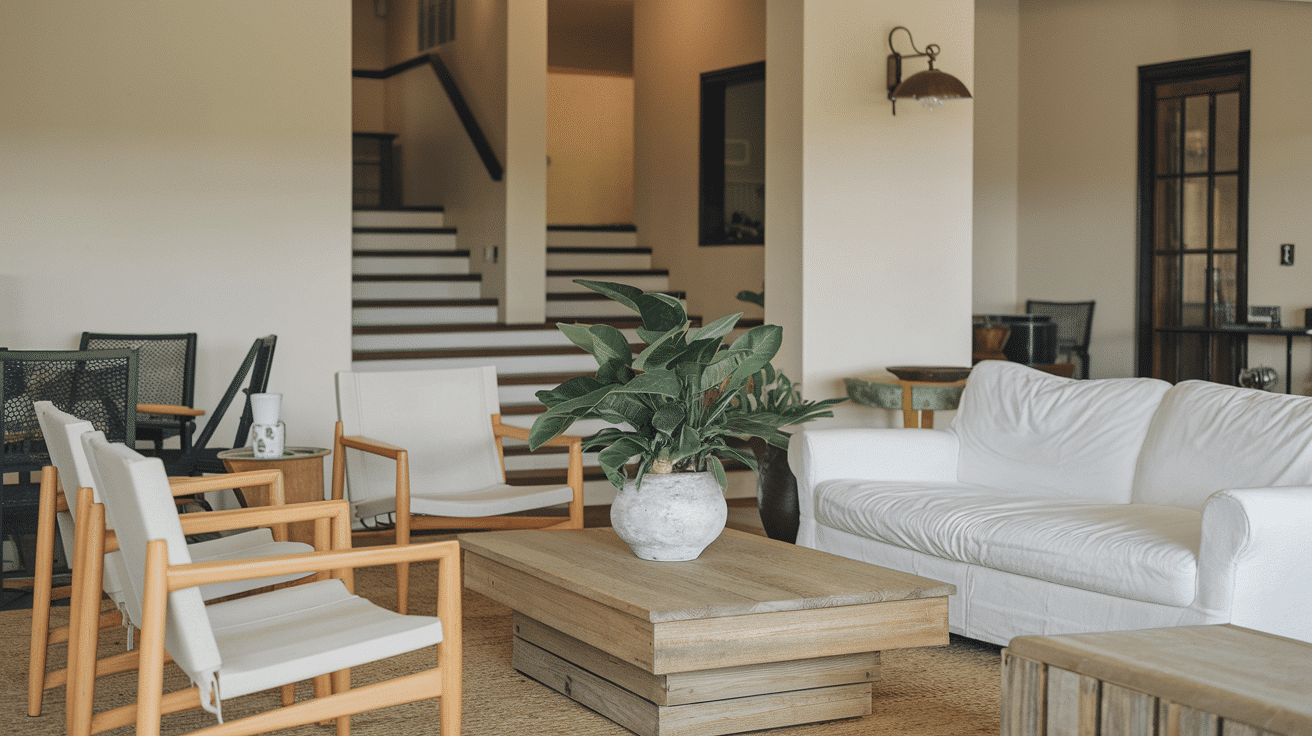
The way you organize your home can shape its overall atmosphere and functionality. Open layouts encourage interaction and offer flexibility, making them great for social gatherings and active households.
In contrast, defined spaces provide privacy and structure, creating distinct areas for various activities. Choosing between these designs depends on your lifestyle and personal preferences. Let’s explore each option in detail to help you make the best choice.
At Turnkey Renovation Company, we’re here to help you create a home that reflects your vision. Contact us today to get started!

An open-concept design removes barriers between the living room, dining area, and kitchen, creating a natural flow throughout the home. This style allows light to reach every corner and promotes better interaction among family members and guests.
Open floor plans offer many advantages. They make homes feel larger and more inviting by maximizing space. These layouts are ideal for entertaining, allowing guests to move freely and engage in conversations without feeling confined. Parents can also keep an eye on their children while preparing meals, combining functionality with family time.
Natural light travels easily through open spaces, reducing the need for artificial lighting during the day. This creates a welcoming environment and can even help save energy.
While open layouts have their strengths, they come with challenges. Regulating temperature in a large, connected area can be tricky. You might notice uneven heating or cooling, especially in homes with older systems.
Clutter can also be more noticeable in open spaces. Keeping the area neat requires consistent organization and cleaning. Noise travels easily, which can make it harder to find quiet moments. For those who value a peaceful atmosphere, this can be a drawback.
Defined spaces feature separate rooms divided by walls and doors, offering a traditional home layout. This design is ideal for those who value privacy and prefer clear boundaries between areas.
 Privacy is one of the biggest benefits of traditional layouts. Walls act as barriers, reducing noise and creating quiet areas for work, study, or relaxation. This makes it easier to focus or unwind in specific rooms.
These layouts also allow for more personalization. Each room can have its own decor and purpose, reflecting the unique style and needs of the occupants. Traditional layouts often create a cozy and comfortable atmosphere, which many homeowners appreciate.
Although defined spaces have their benefits, they also have limitations. Separate rooms can feel less open and may restrict the flow of movement during social gatherings. They can also make smaller homes feel more confined. Additionally, arranging furniture can be more challenging because of fixed walls and doors.
The decision between an open floor plan and defined spaces depends on your lifestyle, family activities, and design preferences.
Your daily routine plays a big role in deciding the best layout. If you love hosting parties or spending time with family in a communal setting, an open floor plan might be ideal. These layouts make it easy for guests to move around and create a lively atmosphere.
For those who prefer a calm and structured environment, defined spaces might work better. They offer more privacy and can be tailored for specific purposes like reading, working, or relaxing.
Think about how your family uses your home. If you have pets or small children, defined spaces can help contain noise and messes, making cleanup easier. This layout also provides quiet zones for study or work, creating a more organized environment.
Open layouts, on the other hand, encourage togetherness. They allow everyone to stay connected even while doing different activities. This setup works well for families who enjoy spending time together.
 Your personal style plays a role in choosing a layout. Open floor plans provide a consistent, modern look throughout the home. They appeal to those who enjoy minimalism and seamless transitions.
Traditional layouts, however, offer variety. Each room can have its own character and charm, showcasing different aspects of your personality. Both styles have their appeal, so the choice comes down to what feels most like home to you.
Open layouts and defined spaces each offer unique benefits. Open designs create airy, flexible areas ideal for entertaining and family time. Defined spaces, on the other hand, provide privacy, organization, and a cozy atmosphere. The right choice depends on how you use your space and what makes you feel most comfortable.
If you’re unsure, consider starting with small adjustments. For example, partial walls or sliding doors can offer the benefits of both styles. These changes provide flexibility while maintaining some separation.
Your home should feel like it’s built for you. At Turnkey Renovation Company, we’re passionate about turning ideas into reality, whether it’s creating an inviting open layout or refining the charm of defined spaces.
Let’s design a home that truly fits your lifestyle—call us today and bring your vision to life!


Table of Contents Key Takeaways Understand the Basics of Low-Maintenance Design Simp...

Repainting your home enhances both its appearance and value. To know when it’s time for a new coa...

Table of Contents Key Takeaways The Strategic Renovation Mindset Assess First Pla...

Tired of high bills and wasted energy? Here are seven easy ways to improve your home's energy eff...

Table of Contents 1. Key Takeaways 2. Factors to Consider Before Lighting Your Yard a. D...
Table of Contents Key Takeaways Best Exterior Renovation Ideas Vertical Space Mat...