

Kitchen and Bathroom Upgrades That Boost Home Value
Home renovations—particularly kitchen and bath remodels—are among the best home investments. New ...


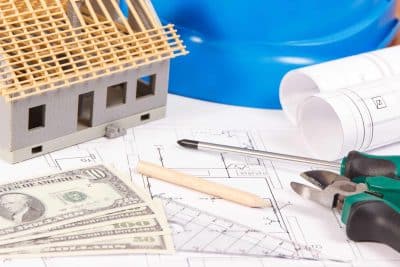
Budgeting for home renovations is more than just number-crunching. It’s about balancing what you want with what you can afford. Explore how to avoid common mistakes and offer tips to manage your renovation budget effectively. From historical planning to modern spreadsheets, good budgeting is key to upgrading your home without overspending.
One of the first steps in creating a renovation budget is to prioritize your needs versus your wants. Focus on essential repairs and upgrades that add value to your home. Don’t forget to include a contingency fund for unexpected expenses that often arise during renovation projects.
Regularly track your spending against your budget using tools or apps to ensure you stay on course. By planning meticulously and staying flexible, you can transform your home within your financial means.
Ready to start your home renovation project? Contact TurnKey Renovation Company today to make your dream home a reality.
Before renovating, understand your goals, budget, and its impact on your home’s value. Decide what changes you want to avoid overspending. Get multiple quotes and set aside extra cash for unexpected costs. This approach will help your renovation go smoothly and stay on budget.
 Setting clear renovation goals is key to matching your budget with your vision. Decide if you’re doing a full remodel or just updating one area. Knowing what you want from the start guides every step after.
Focus on what you need and want first. Remember, not every renovation adds the same value; kitchens and bathrooms usually do best. Choose what’s essential for you. If updating your home’s main areas is a must, spend your money on that.
Researching renovation costs early can prevent future problems. Check the average prices for similar projects nearby on remodeling websites. Costs differ, with kitchens and bathrooms varying due to plumbing and fixtures.
Knowing the common costs is crucial. This includes materials, labor, and permits. Don’t forget initial costs like architect fees for construction drawings. A clear breakdown shows labor usually takes up most of the budget, with materials next.
To get accurate contractor estimates, share detailed plans and ask for itemized quotes to avoid surprises. Compare bids from multiple licensed contractors with good reviews. Trust is key in a big remodeling project.
To keep your home renovation on a budget, carefully plan your money. Divide the project into smaller parts, budget each with expert advice, and save an extra 10-20% for unexpected costs. Watch your spending, adjust if necessary, and focus on finishing the most crucial tasks first to control expenses.
 Leverage technology to stay on top of expenses. Many apps and tools are available that make tracking spending as easy as snapping a photo of a receipt. Regularly updating these tools keeps you informed and helps prevent overspending.
To save on home improvement, plan your budget and explore financing options like savings, home equity loans, or low-interest credit cards. Compare quotes from contractors and time for your project to cut costs. Opt for less expensive materials and DIY some tasks to keep quality up while spending less. Smart financing and saving strategies can make renovating affordable.
Using savings is a popular way to pay for home upgrades because it’s simple and doesn’t add interest. But, it’s important to keep some money aside for emergencies, so you don’t run into trouble if unexpected costs pop up.
Loans, especially home equity ones, are great for renovation costs because they have lower interest rates. But, your home must be used as collateral. It’s important to compare rates to save money in the long run.
Using a home equity line of credit lets you borrow money for renovations when you need it, offering flexibility. But, remember, the amount you can borrow can change with the market value.
Buying materials in bulk or during sales cuts costs. Negotiating discounts with suppliers saves money too.
Timing is key for saving money on renovations. During off-peak seasons, you can find cheaper prices for both labor and materials since contractors are less busy, leading to faster and more affordable projects.
DIY can save money but needs time and skills. Easy jobs like painting are doable for many. For harder tasks, hiring experts guarantee good work and safety. It’s about matching your skills with the project’s needs.
Starting a home remodel? Set aside 10-20% of your home renovation budget for unexpected costs and focus on what matters, cutting costs wisely without sacrificing quality. Keep in touch with your contractor and be ready to adjust your plans for a smooth project.
Home improvements often reveal surprises like hidden damage or outdated systems, increasing expenses. Cleanup of hazardous materials and delivery issues with materials can also push up costs. To manage these surprises, save 10-20% of your budget as a contingency fund.
Watch your spending closely and update your budget regularly to make informed decisions quickly, ensuring quality without delays. Real-life examples include a homeowner finding asbestos during a remodel and using their emergency fund for cleanup, avoiding delays. Another family used their fund to replace late materials, keeping their project on track.
To update your house successfully, manage your renovation budget carefully. Expect and prepare for unexpected costs like structural repairs or price hikes in materials. Regularly compare your budget to actual spending and adjust as needed. Flexibility and monitoring expenses are key to staying on budget and meeting your renovation goals.
 Check your budget often to prevent overspending. Update it after every purchase or contractor hire. Being open to adjustments, like choosing different materials or doing some work yourself, can stretch your budget without compromising quality.
Flexibility in your renovation plans can also lead to savings. For example, opting for open shelves instead of cabinets in a kitchen remodel can cut costs while staying stylish.
The Peppel family’s renovation demonstrates successful budget management. By frequently updating their budget and being willing to swap out expensive items for more affordable options, they stayed within budget. Their story shows the importance of adaptability and smart planning in managing renovation costs effectively.
Renovating your home can be affordable if you plan well and stay flexible. Learn to estimate costs, budget carefully, explore financing, and handle surprises without stress. Adjust your budget as needed to keep everything on track.
Start by setting clear goals and planning your budget smartly. Look for savings but don’t cut corners on quality. Be ready to adjust plans for any unexpected costs. Let’s get your renovation started without breaking the bank!
Don’t wait to create the home of your dreams. Reach out to TurnKey Renovation Company today and let our experts help you every step of the way. Call us today!


Home renovations—particularly kitchen and bath remodels—are among the best home investments. New ...

Table of Contents Key Takeaways Understand the Basics of Low-Maintenance Design Simp...

1. Key Takeaways 2. Why Pressure Washing is Essential a. Deep Contaminant Removal ...

Making your home look better from the outside doesn’t have to be difficult or expensive. A few si...

Table of Contents Key Takeaways Strategic Budget Planning High-Impact, Low-Cost Upgrad...

Embark on a journey towards budget-friendly bathroom upgrades! If you've been envisioning a fresh...