

Top 10 Home Renovation Trends to Watch in 2025
As 2025 approaches, home renovation trends are blending sustainability, technology, and bold aest...


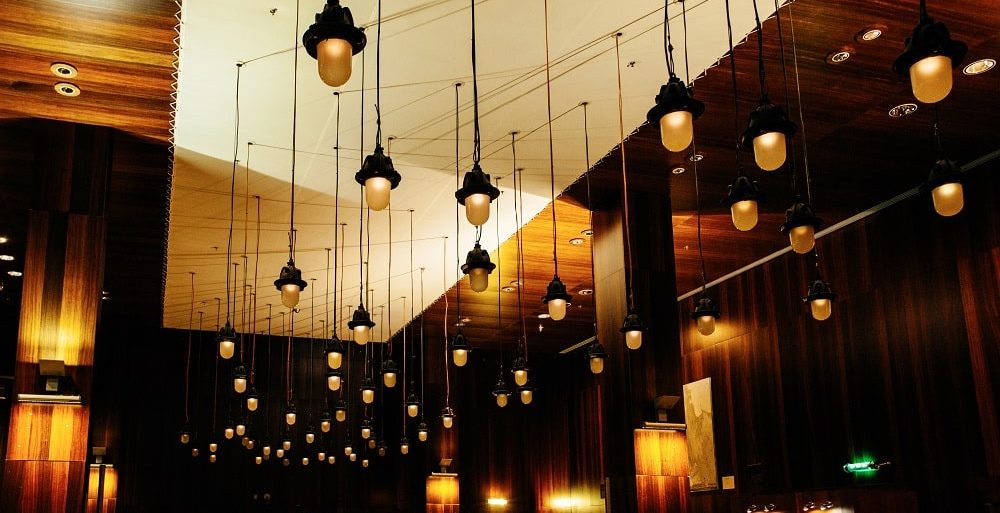
Lighting is one of the most impactful decisions in any interior renovation. It shapes how a room feels, how well it functions, and how much value you get from the finishes you invest in. Yet it remains one of the most commonly overlooked parts of a renovation plan.
At TurnKey Renovation Company, we build lighting into the design conversation from day one. Contact us today for a free consultation.
Lighting affects perceived room size, color accuracy, material texture, and overall atmosphere. The same room with different lighting can feel cold and cramped or warm and open. A thoughtful lighting plan is what separates a renovation that looks good in photos from one that actually works to live in.
A single overhead fixture flattens a room. Directional and accent lighting create contrast between light and shadow, giving a space visual depth.
Recessed fixtures and uplights draw the eye upward, making ceilings feel taller. In smaller spaces, edge lighting along walls or baseboards creates openness that overhead-only setups simply cannot.
 Color temperature directly affects how relaxed or alert people feel. Warm light in the 2700K–3000K range suits bedrooms, living rooms, and dining areas.
For home offices and task-heavy spaces, neutral to cool white in the 3500K–4000K range supports focus without feeling clinical. Dimmable fixtures let one room shift between both depending on the time of day.
Flat overhead lighting washes out texture. Accent and directional lighting reveal wood grain, stone veining, and metal sheens that general room light cannot. Under-cabinet lighting highlights countertop materials, while focused spotlights draw attention to built-ins and architectural details that would otherwise disappear into the background.
The three layers of interior lighting are ambient, task, and accent. Professional designers use all three together. A single ceiling fixture leaves a room with uneven coverage, no flexibility, and no visual interest.
Ambient lighting provides the overall brightness level for a room and eliminates dark corners. Common sources include recessed downlights, ceiling pendants, and flush-mount fixtures.
Consistent light distribution is key. Uneven spots or shadows make a room feel smaller. Dimmable fixtures let the same space support daytime tasks and relaxed evening use.
Task lighting puts focused light exactly where it is needed: under-cabinet lights in kitchens, desk lamps in home offices, and wall-mounted fixtures in reading nooks. LED bulbs are the standard choice for task applications because they produce consistent light, last significantly longer than incandescent alternatives, and consume far less energy.
Accent lighting draws the eye to artwork, a feature wall, a display shelf, or an architectural detail. It needs to be noticeably brighter than surrounding ambient light, typically two to three times brighter, to create the contrast that gives a room depth and character.
Many accent fixtures are adjustable in direction and brightness, letting you shift focus without permanent changes.
Natural and artificial light should work together. A renovation that integrates both feels bright and alive during the day while staying warm and comfortable after dark. Getting that balance right requires planning at the design stage, not once fixtures are already installed.

Skylights, enlarged windows, and glass doors are the most effective ways to bring daylight in. Sheer curtains or adjustable blinds maintain an open feel while managing glare.
Mirrors and light-colored walls extend how far natural light travels, brightening areas without direct sun. Keeping large furniture away from windows helps too since bulky pieces block light before it reaches the rest of the room.
Not every corner receives natural light. Floor lamps, wall sconces, and under-cabinet lights address low-light areas without overwhelming the space.
A mix of ambient, task, and accent sources creates even density throughout a room so no area feels dim or disconnected. Warm sconces work especially well in darker corners because they add light without harsh contrast.
Smart lighting systems automatically adjust brightness and color temperature on a schedule. Warm light between 2700K and 3000K supports relaxation in the evening and aligns with the body’s wind-down process.
Neutral light between 3500K and 4000K suits daytime work. Dimmable fixtures and programmable controls give you full command over the atmosphere at any hour.
Getting the lighting right is just as much about knowing what not to do. These are the most common mistakes homeowners make and how to avoid them.
A single overhead fixture leaves dark corners, flat walls, and no way to adjust the mood. Every room benefits from at least two layers of light, ambient plus task or accent, and most rooms benefit from all three.
Installing cool white bulbs (4000K or higher) in a bedroom creates a clinical feel that works against relaxation. Installing warm bulbs (2700K) in a kitchen or home office makes the space feel dim and colors harder to read accurately. Match the color temperature to how the room is actually used.
 Fixed-output fixtures lock a room into a single mood. Dimmers add almost no cost during a renovation and dramatically increase how flexible a space feels. They also extend bulb lifespan and reduce energy use over time.
Renovations that ignore natural light end up over-lit during the day and poorly balanced at night. Window placement, reflective surfaces, and curtain choices all affect how artificial light needs to work. Designing both systems together produces better results than treating them separately.
The most costly mistake is treating lighting as the final step rather than part of the plan. Wiring placement, fixture locations, and switch configurations are all far easier and less expensive to address during a renovation than after walls are closed up.
Lighting is not a finishing touch. It is a structural part of what makes a renovated space work. A layered approach combining ambient, task, and accent sources alongside natural light produces rooms that are functional, visually compelling, and comfortable to live in around the clock.
If you’re planning an interior renovation and want lighting built into the design from the start, TurnKey Renovation Company is ready to help. Call us to request a free consultation today.
Lighting determines how a renovated space looks, feels, and functions every day. It affects color accuracy, perceived room size, and how comfortable people are in the space. Even a well-executed renovation can feel unfinished if the lighting plan has not been thought through.
Layered lighting combines three types of light in a single space: ambient for general illumination, task for focused work areas, and accent for highlighting features or objects. Using all three together creates rooms that are flexible, visually interesting, and adaptable to different activities.
Warm light in the 2700K–3000K range works best in bedrooms, living rooms, and dining areas. Neutral to cool light in the 3500K–4000K range suits kitchens, bathrooms, and home offices. Spaces with multiple uses benefit from dimmable fixtures that can be adjusted depending on the activity.
Yes. LED bulbs last significantly longer than incandescent or halogen alternatives, consume far less energy, and are available across the full color temperature range. They also generate less heat, which matters in enclosed spaces like recessed housings and under-cabinet fixtures.
Use multiple light sources rather than one central fixture. Uplights and recessed fixtures draw the eye toward the ceiling. Edge lighting along walls adds depth. Mirrors and reflective surfaces scatter light and increase perceived size. Avoiding heavy, low-hanging fixtures keeps the room feeling open.
Natural light reduces electricity use during the day, supports circadian rhythms, and makes spaces feel more open. Renovations that include skylights, larger windows, or glass doors increase available daylight. Reflective surfaces and light-colored walls help distribute that light deeper into the interior.
Yes, and a renovation is the best time to add it. Smart systems control brightness, color temperature, and scheduling automatically. They improve energy efficiency and align lighting with natural light cycles. Installing smart lighting during a renovation is more cost-effective than retrofitting it later since wiring and fixture placement are already being planned.

As 2025 approaches, home renovation trends are blending sustainability, technology, and bold aest...
The way you organize your home can shape its overall atmosphere and functionality. Open layouts e...

Table of Contents 1. Key Takeaways 2. Importance of Regular Roof Maintenance Prevent Cos...

Making your home look better from the outside doesn’t have to be difficult or expensive. A few si...

Ever wonder why some people go the DIY route while others choose to hire experts? DIY can save mo...
Table of Contents Key Takeaways Best Exterior Renovation Ideas Vertical Space Mat...